The Balvenie
Classic craftsmanship meets fresh thinking at The Balvenie, where new cask experiments and a changing of the guard signal an exciting next chapter.
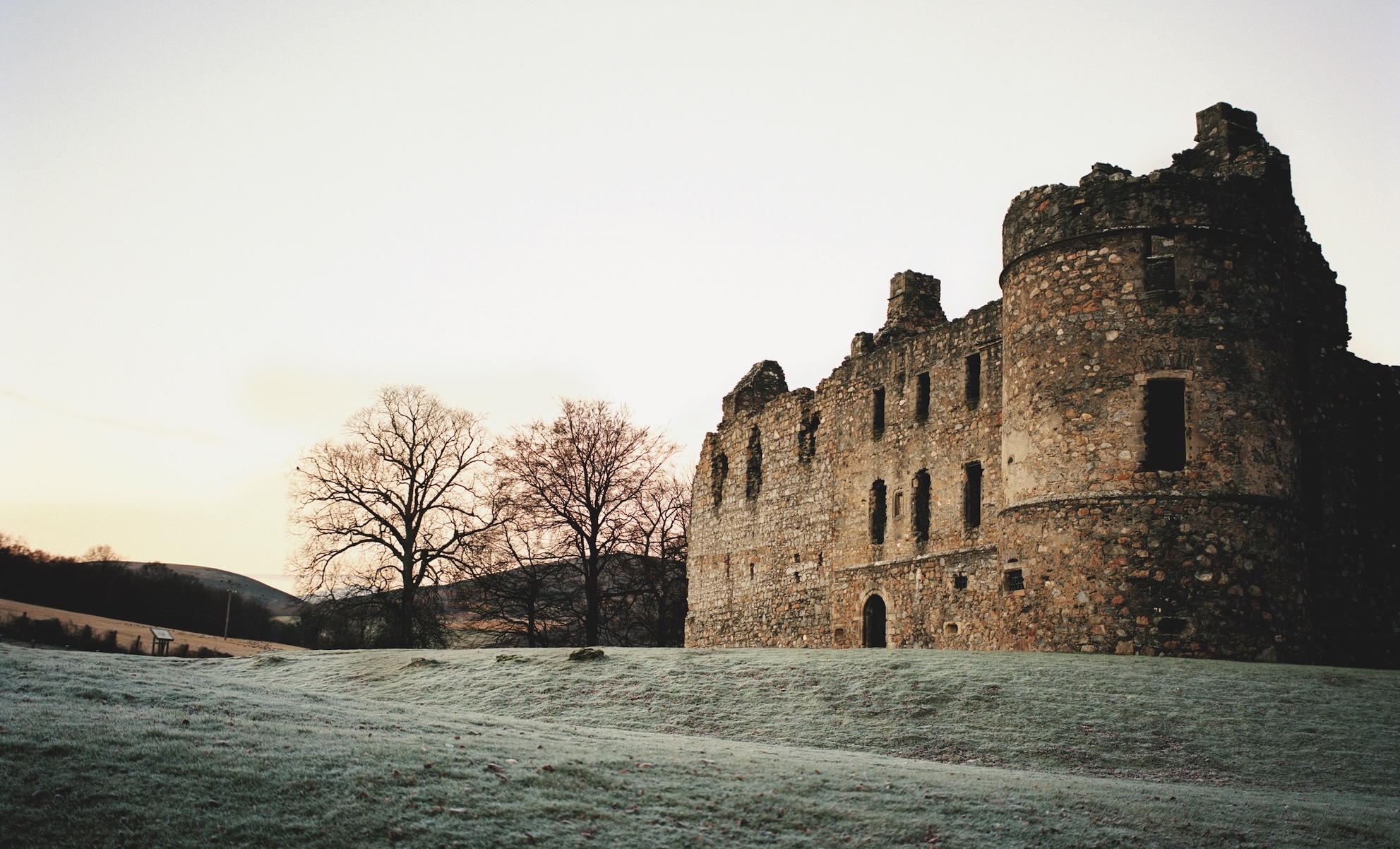
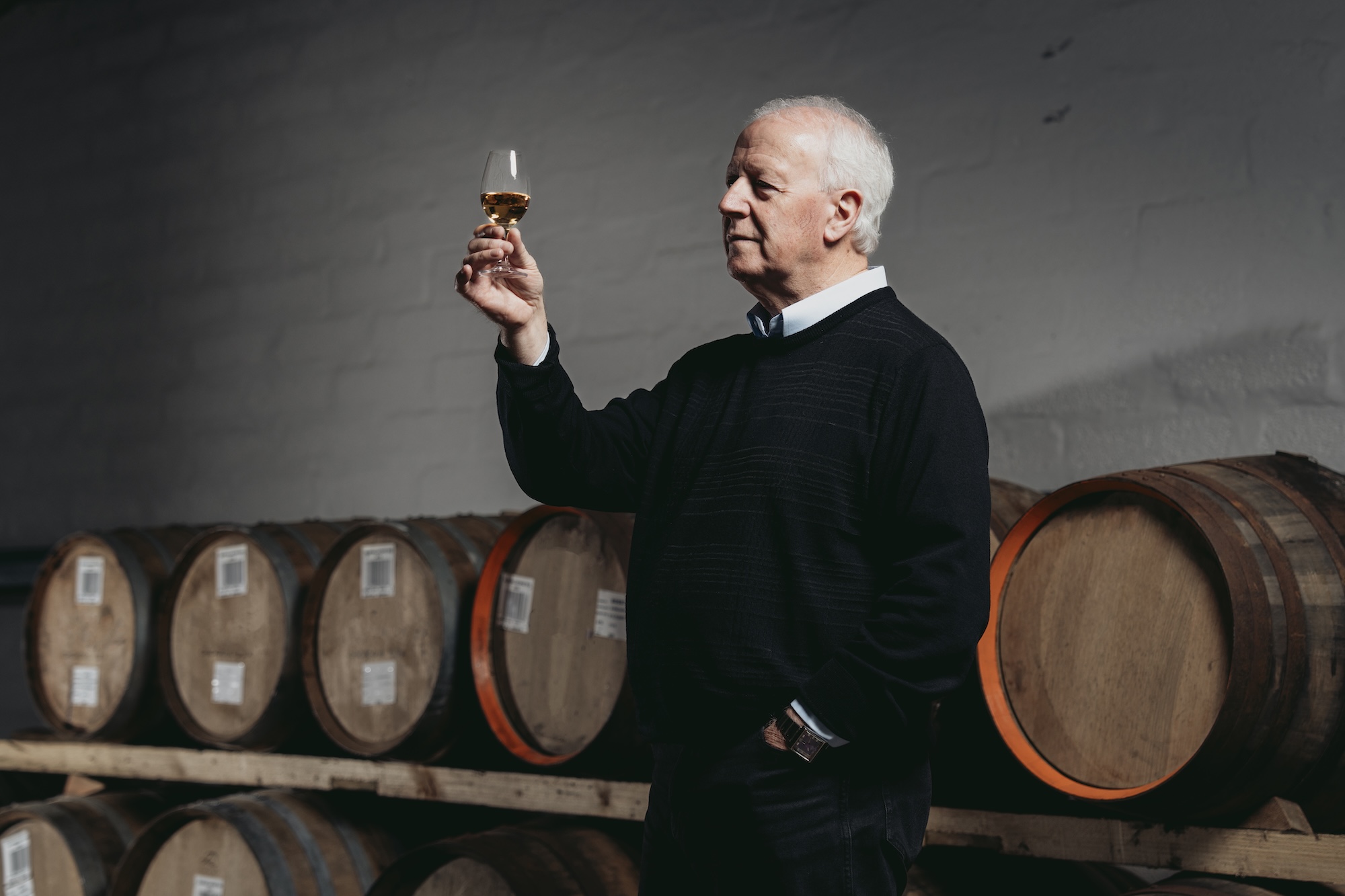
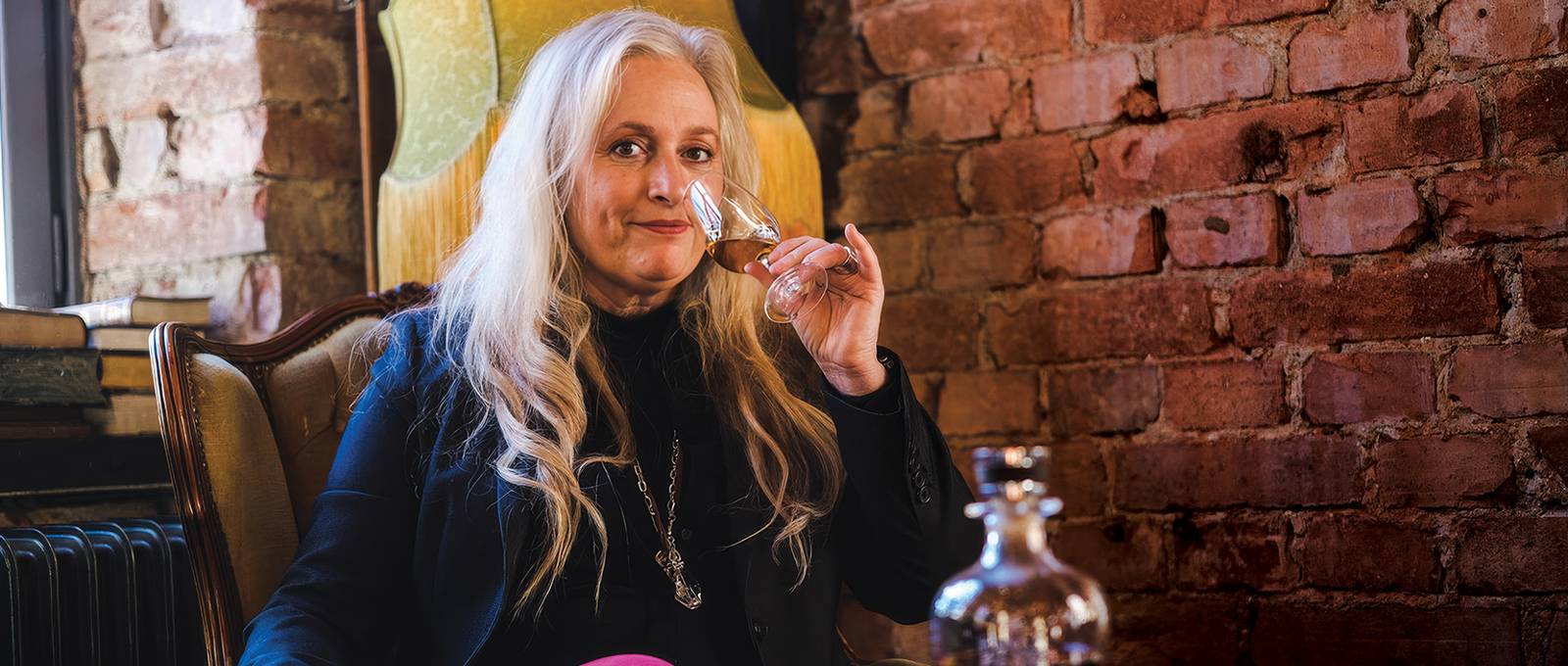
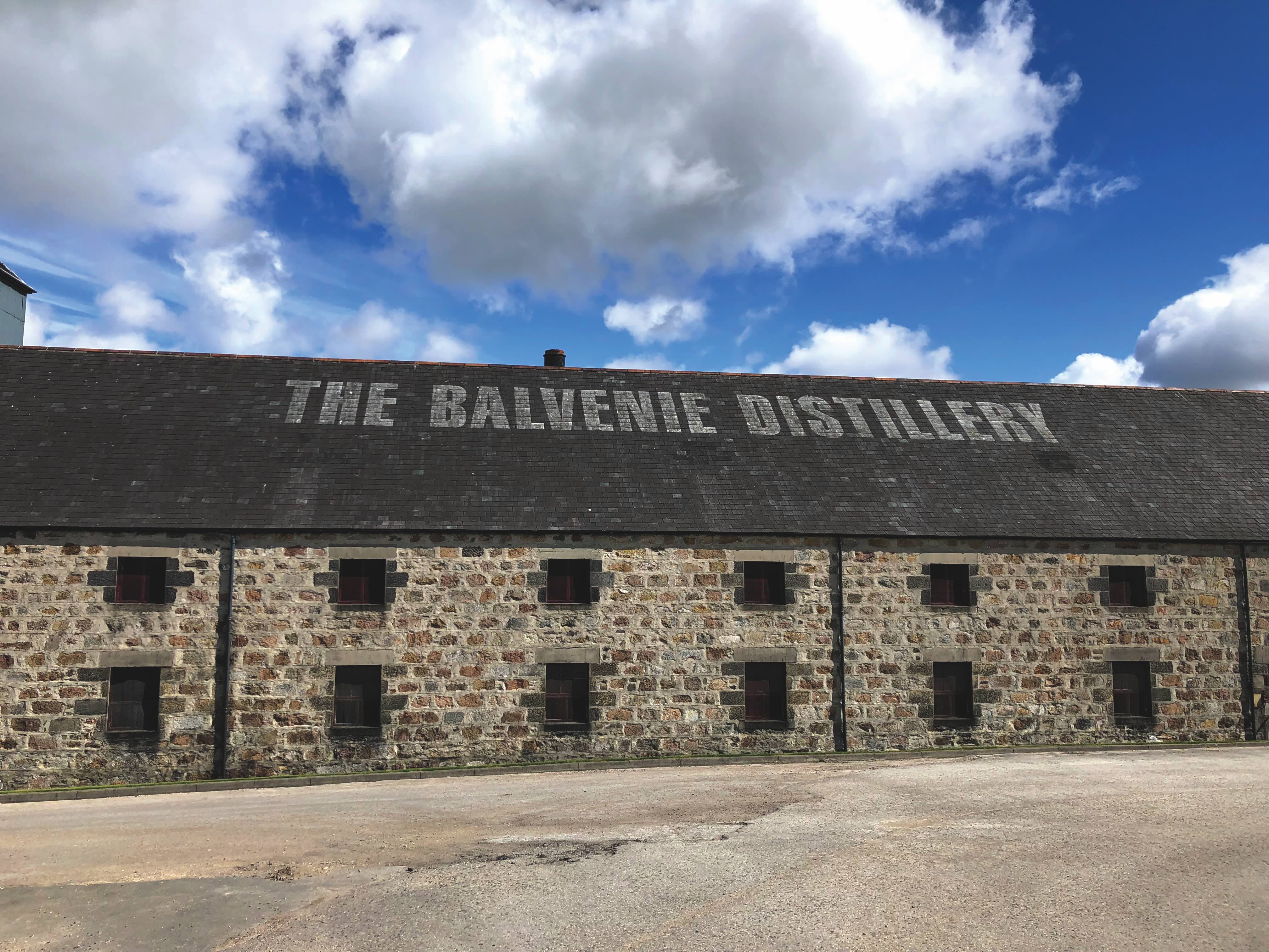
Founded by William Grant in 1892 and still run by his direct descendants, The Balvenie has earned a reputation for its no-shortcut distilling philosophy and for pioneering cask finishing. For many years, this was led by David C. Stewart, the industry’s longest-serving Malt Master and a Member of the Order of the British Empire (MBE), awarded for his services to Scotch whisky. However, Stewart’s long tenure is approaching its conclusion, with Kelsey McKechnie now stepping into the role of joint Malt Master following a six-year apprenticeship under his guidance. The changing of the guard is not the only recent development at The Balvenie.
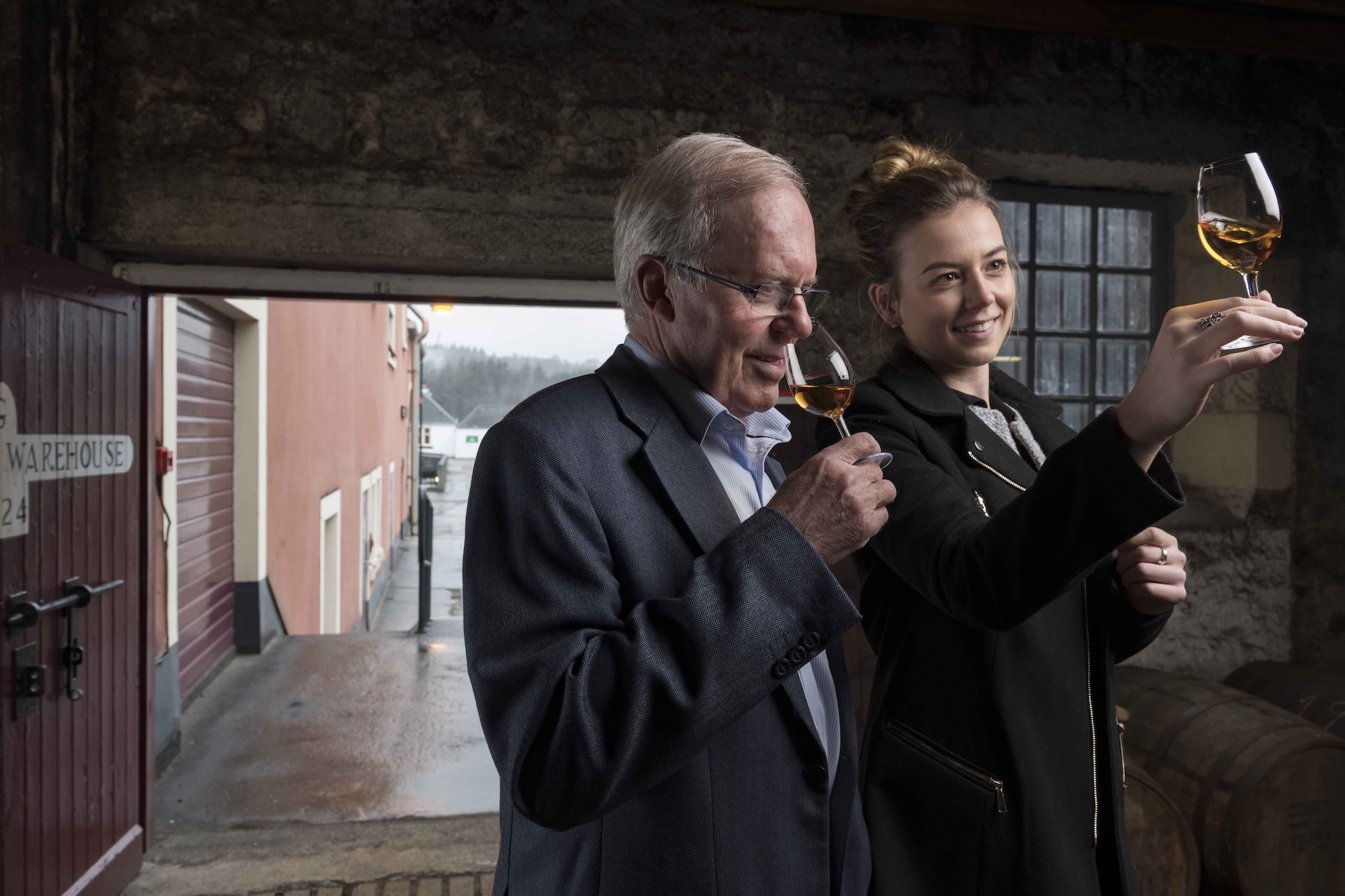 David C. Stewart and Kelsey McKechnie
Over the past year, the Speyside distillery has deepened its exploration of Pineau des Charentes cask-finished whiskies and increased its focus on Australia through a partnership with Sydney’s Firedoor restaurant. The first Pineau des Charentes cask-finished whisky released to market was The Balvenie French Oak 16. Pineau itself is a fortified wine made from fresh, unfermented grape juice or lightly fermented grape must, to which Cognac is added before maturation. When whisky is aged in these casks, a balance of light florals, tangy citrus, glazed fruits and spice emerges. Following the success of French Oak 16, The Balvenie released French Pineau Cask 18 as part of its Stories collection, a range dedicated to unique and exploratory cask finishes. There are several layers to The Balvenie’s exploration of Pineau des Charentes casks.
The first stems from a discovery by Brand Ambassador Lorne Cousin during a trip through France’s winemaking regions. After encountering Pineau casks in Charentes, Cousin suggested that David Stewart explore their potential further. The second layer reflects the transition between Malt Masters. Originally sourced and filled by Stewart, the Pineau des Charentes casks were deemed unsuitable for his exacting standards and set aside.
Under Kelsey McKechnie’s supervision, however, they were allowed to mature, ultimately resulting in a remarkable and somewhat unexpected outcome. The third layer speaks to The Balvenie’s legacy as one of the pioneers of cask finishing, a technique that has transformed not only Scotch whisky production but the wider whisky category. This began with the 1983 release of The Balvenie Classic, matured initially in American oak before being transferred to European oak.
A decade later, and following several refinements, this approach evolved into what is widely considered one of The Balvenie’s most important whiskies: DoubleWood 12. Beyond being an early example of cask finishing, DoubleWood remains a benchmark for the technique. The process begins with whisky matured for at least 12 years in traditional ex-bourbon American oak, before being transferred to ex-Oloroso sherry European oak for an additional nine months. It is then married in 1,000-litre tuns for a further three to four months before bottling. Cask finishing continues to play a central role in The Balvenie’s portfolio and is the focus of its most recognisable collection. Alongside DoubleWood 12, the range includes Caribbean Cask 14, French Oak 16 and PortWood 21. The wider portfolio also includes the Rare Marriages, Craft Whiskies and Stories collections. In recent years, The Balvenie has also strengthened its presence in Australia through its partnership with Sydney’s Firedoor, led by UK-trained Australian chef Lennox Hastie. As the name suggests, Firedoor is centred entirely around cooking with wood fire, with no gas or charcoal used at any stage. The partnership highlights the shared relationship between wood and flavour.
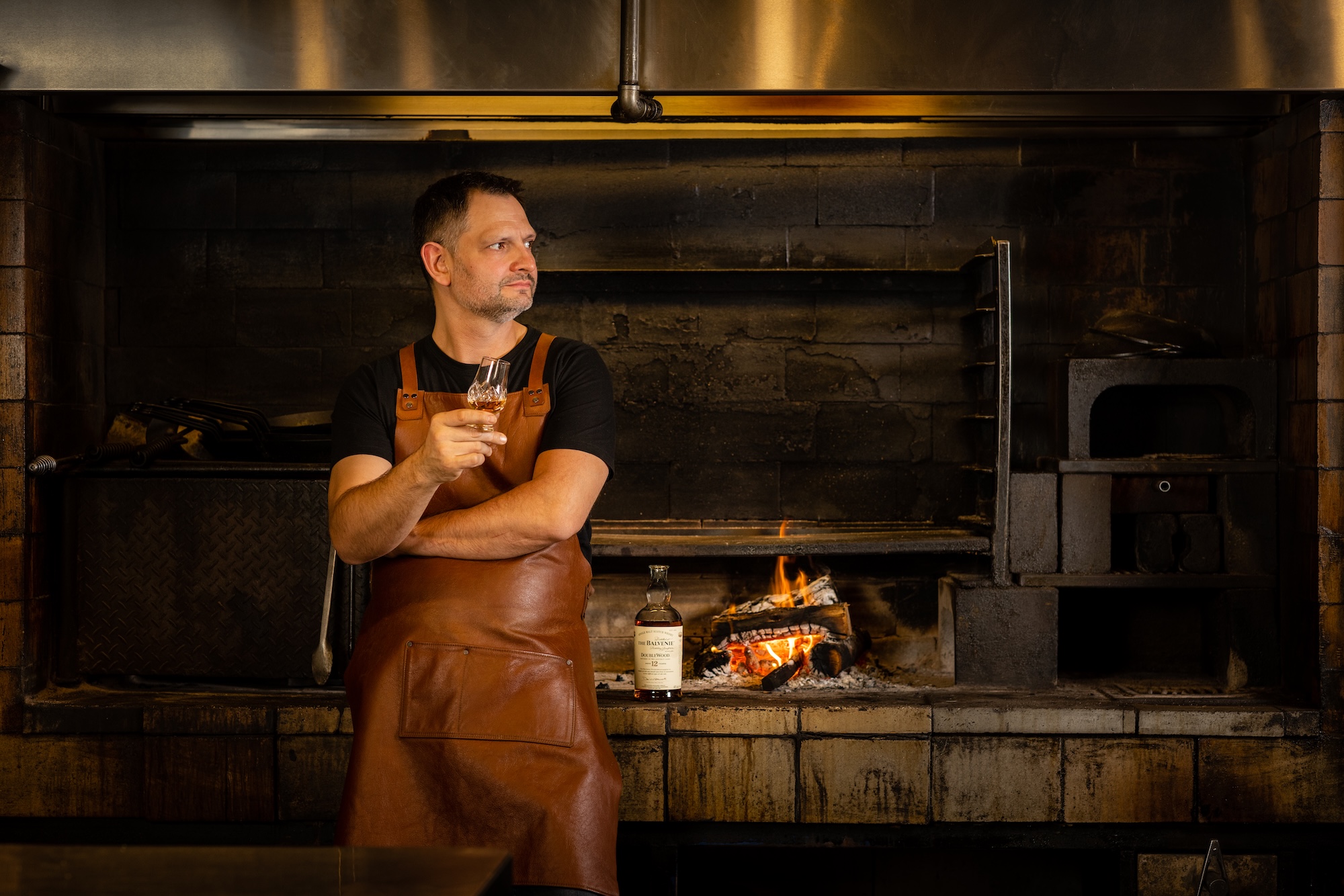 Balvenie Firedoor, Lennox Hastie
At Firedoor, ironbark accounts for around half of all cooking, complemented by cherry wood, apple wood, wine barrels and whisky casks. These elements are carefully selected to shape the final profile of each dish. Beyond flavour, the use of The Balvenie casks offers a compelling and accessible way to demonstrate the influence of wood, bringing the concept of cask maturation to life for consumers in a practical and engaging setting